Why do you still need a website?



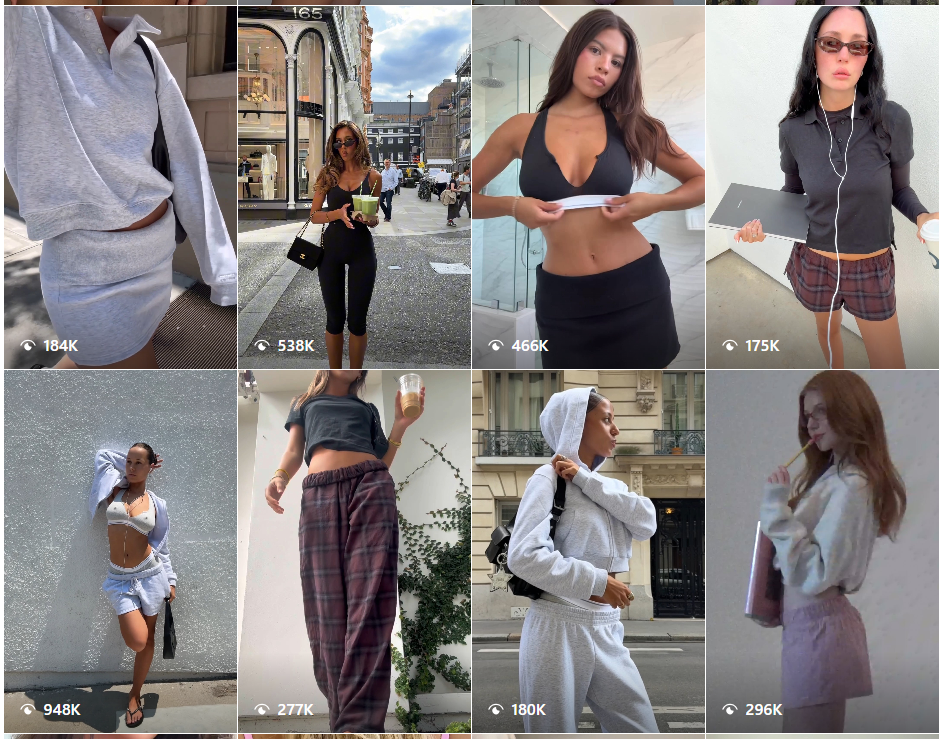
College campuses have always been hubs of innovation, rebellion, and style. From 1960s protest fashion to the rise of social media movements in the 2010s, students have historically been tastemakers. What’s different in 2025 is the speed and scale: TikTok, BeReal, and campus micro-influencers now transform a single outfit, playlist, or meme into a global trend overnight.
And we are now seeing that brands aren’t just selling to students anymore. They’re collaborating with them, embedding into their culture, and letting students shape the narrative. For example, fashion labels like Skims and PrettyLittleThing have launched “Campus Collections” and partnered with student micro-influencers to create content that feels authentic to college life, turning students into both the models and the marketers of their brand.
High social influence: A student’s recommendation doesn’t stop at the dorm; it cascades through peer groups, social media feeds, and even family spending habits.
Early loyalty formation: The brands students embrace during these formative years often stick with them well beyond graduation.
Cultural credibility: Students can make a brand feel relevant, current, and “in touch” in ways corporate marketing alone can’t.
Major apparel brands are launching collections built specifically around college lifestyles, from “Campus Essentials” to limited-edition dorm gear. These aren’t just products, they’re status symbols students use to signal identity and community.
Instead of chasing global celebrities, brands are tapping into local student leaders, and niche content creators with 2,000–10,000 followers. These voices feel authentic, and their recommendations spark faster trust among peers.
Pop-up shops in student unions, late-night study break sponsorships, and brand activations at tailgates or club fairs are becoming the new battlegrounds. Brands aren’t waiting for students to come to them, they’re showing up in the heart of student life.
From gamified apps to exclusive student discounts shared on social platforms, brands are designing ecosystems that keep students engaged beyond a single purchase. And these programs aren’t just about saving money; they’re about belonging to a tribe.
Forward-thinking brands are co-creating campaigns with students, letting them design merch, run brand TikTok takeovers, or even vote on product drops. This turns brand engagement into cultural participation.
While campuses are fertile ground for influence, students also have finely tuned “BS detectors.” A campaign that feels overly corporate, exploitative, or tone-deaf can quickly go viral for the wrong reasons. In these risky situations, brands that win are those willing to hand over some creative control, listen deeply, and act with authenticity.
As Gen Z and Gen Alpha converge on campuses, the idea of the student as tastemaker will only accelerate. For brands, this means shifting from broadcasting to students toward building with students. The brands that succeed in 2025 won’t just sell products; they’ll help define the culture of a generation.