Subsign Spotlight #032.




I, again, would circle back to the nostalgia feeling that shapes a lot of the marketing efforts around the globe. (You can find more articles about this on our blog.) It seems like, as much as millennials like anime, Gen Z gravitates toward cute and fun cartoons like Snoopy, SpongeBob SquarePants, Sesame Street monsters, and Mickey Mouse.
But they also grew up with low-key traumatizing characters like Courage the Cowardly Dog. And because they grew up with the chaos of the most unimaginable plots, like three kindergarten girls, born out of an experiment, fighting bad guys in their town, we can understand why the mascots today are kinda crazy.
Brands are constantly trying to fit into the not-so-accessible world of Gen Z. Just as they have their own slang and now they refuse to keep using “slay” because older people started copying them, it might be the same with their pop culture references. Finding the right balance of cringe and cool in order to impress them seems pretty difficult. Because, you know, a meme stops being fun once the brands use it.
For now, mascots seem to work pretty well. Maybe because they remind Gen Z of the early 2000s and their childhood trips to McDonald’s, when the Ronald clown used to give them red and yellow balloons.
But let’s take a look at how brands are bringing the mascot job back to life and how this correlates with their marketing strategy. And most importantly, why now?

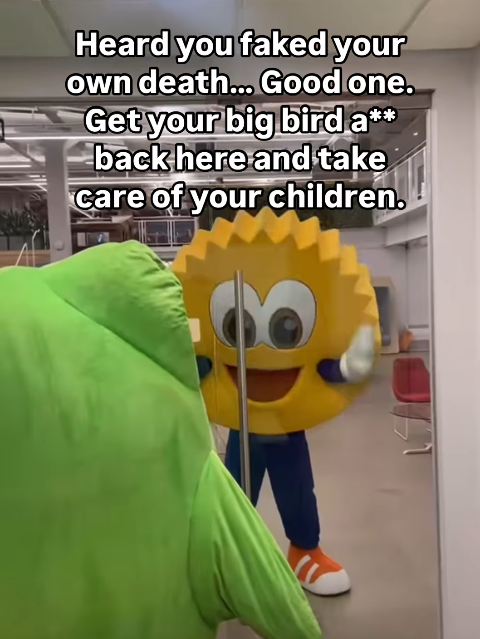
We definitely know that the marketing team at Duolingo is constantly brainstorming the craziest ideas, because the huge green owl has taken over social media, and it looks like there’s nothing it won’t do. On TikTok and Instagram, the Duo owl is doing slightly cringe morning routine trends, faking its own death, and recreating trendy memes.
Why would a language learning app do all of this? Because it’s unhinged, it’s hilarious, and it’s working. Duolingo has amassed millions of followers, and users genuinely want to engage with the app just to stay in on the joke.

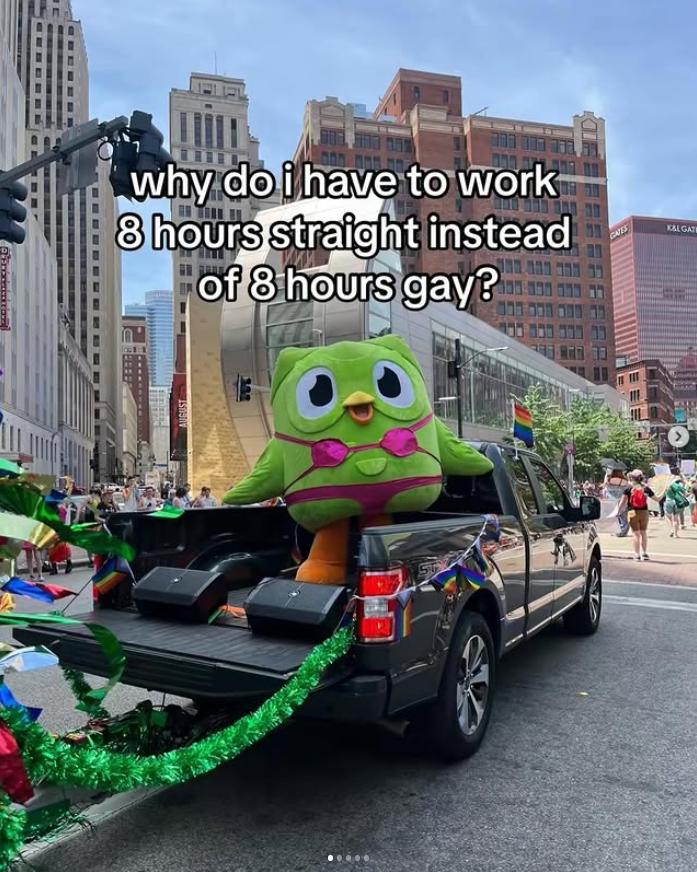
It looks like mascots stick together. The Duo Owl is friends with the Scrub Daddy Sponge. And the Sponge is friends with the Domino’s Pizza mascot, a mac and cheese piece of pasta named Mac Scott. All of them bring chaos wherever they go, but that just means they won’t go unnoticed in the overwhelmed social media landscape.
And in the end, that’s their entire purpose: to tell customers a story about the brand, to ride the internet culture wave, and to shift the focus from a simple product, like a dish sponge, to a narrative that’s fun and engaging.

In the ’70s, inspired by Sesame Street, McDonald’s created a whole fictional world: McDonaldland, filled with colorful characters to make the brand more engaging for kids. There was Ronald McDonald, the leader of McDonaldland; Mayor McCheese, a giant cheeseburger-headed mayor; Hamburglar, a mischievous character who tries to steal hamburgers; and Grimace, originally a villain with four arms who stole milkshakes—but later rebranded as a lovable, clumsy purple friend.

They slowly disappeared, with Ronald being the last one standing (he even has his own charity foundation). But over the past decade, he’s quietly faded into the background. Why? Well, Gen Z is very specific about what they like. Ronald is part of a more polished, corporate version of a mascot. The new wave of mascots (like the Duolingo Owl or Scrub Daddy) are unhinged, ironic, and internet-native, exactly the opposite of Ronald’s squeaky-clean, family-friendly vibe.
But you know what the surprise is? The restaurant has been bringing back its old mascots over the last two years and they’re playing it cool. It all started off ironically, but the mascot trend is so big now that they had to do it. Bringing back the old mascots not only taps into that warm nostalgic feeling, but it also fits perfectly into the social media puzzle of weird, chaotic, and lovable brand characters.

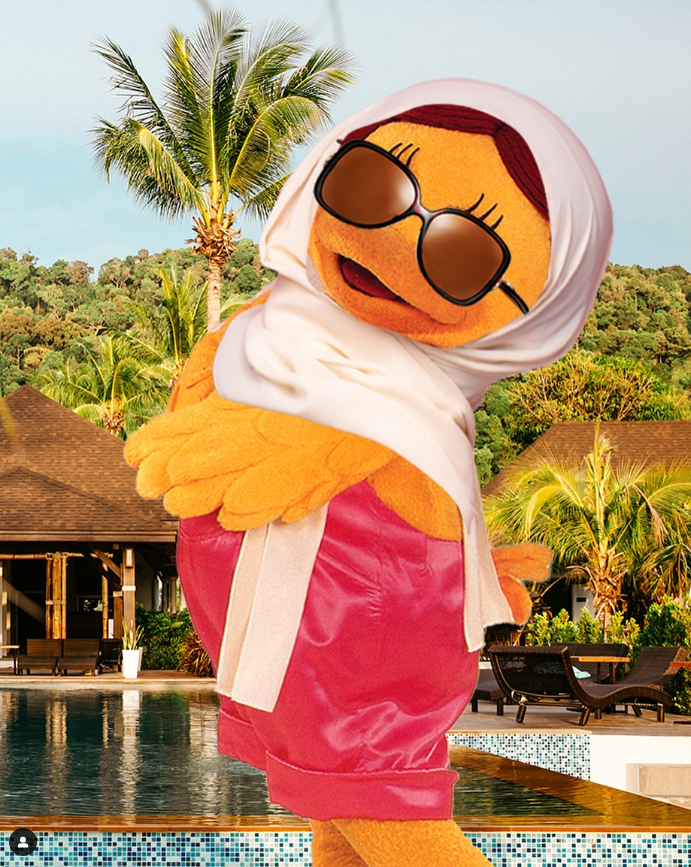
Well, if you want to do it, you have to do it right. The mascot shouldn’t be taken too seriously, because then you lose the fun of it. And there shouldn’t be pressure on the social media team to go viral just because someone’s dressed in a funny costume.
Our advice? If you can’t imagine the perfect mascot for your brand without thinking too much, maybe it’s better to skip this trend. Because if the character doesn’t naturally fit into your brand’s identity, it’ll show and the result could be the exact opposite of what you wanted.
Want to dive deeper? If you’d like, you can listen to our Subcast podcast episode where we explore this topic further. Check out the video below:
If you need support with your marketing strategy, send us a message.